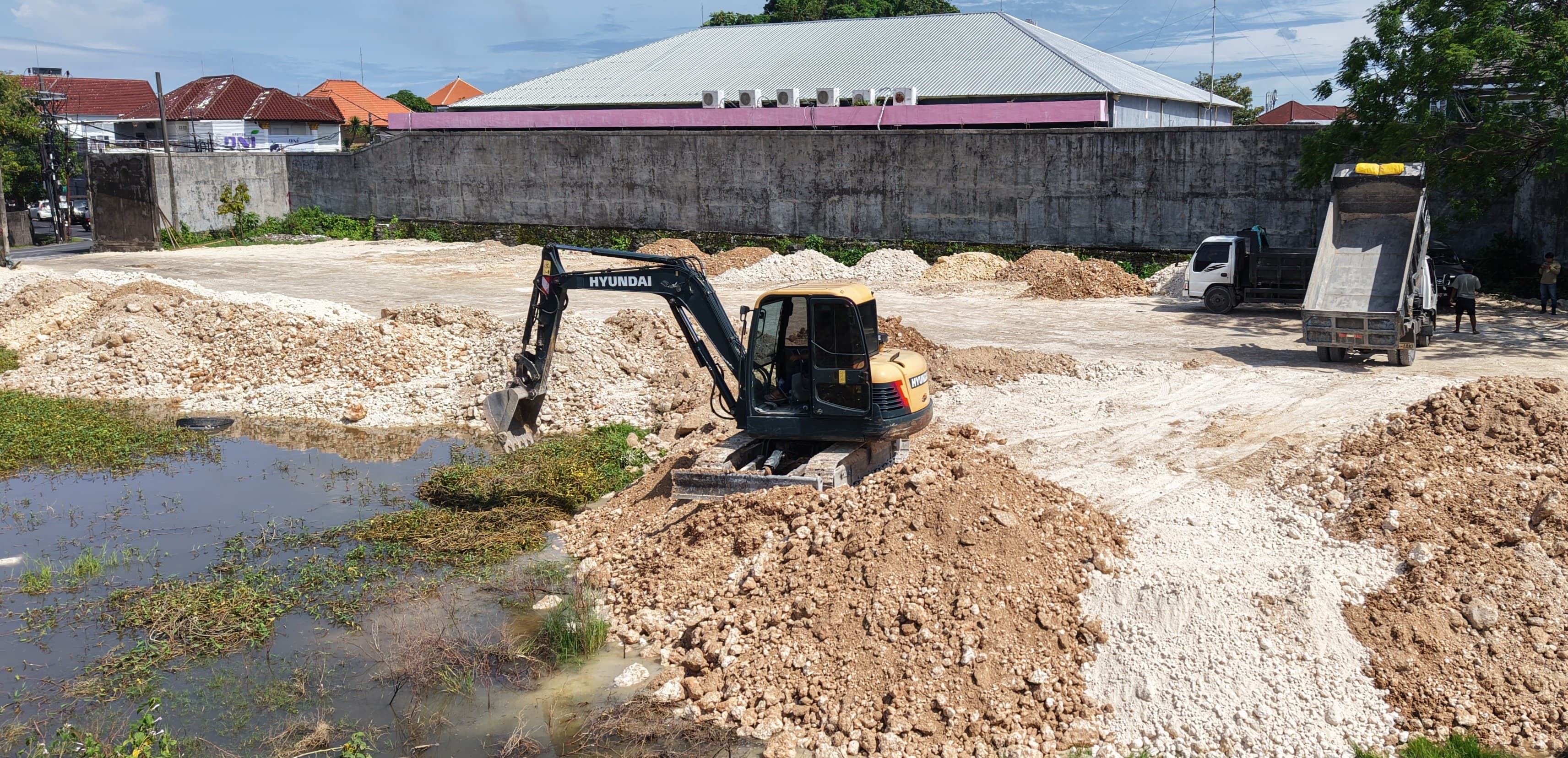
In this comprehensive guide to exploring limestone: uses, types and formation, we will look deeply into an incredibly versatile and abundant sedimentary rock that plays a foundational role in human civilization. Composed primarily of calcium carbonate, this remarkable natural resource has been utilized for thousands of years. By exploring limestone: uses, types and formation, we can truly understand why its immense economic and structural importance simply cannot be overstated in today's rapidly developing world.
The geological aspect of exploring limestone: uses, types and formation reveals a fascinating process that typically takes place in calm, clear, warm, shallow marine waters. It is largely a biological sedimentary rock, forming from the steady accumulation of shell, coral, algal, and fecal debris. Over millions of years, the immense pressure from the ocean water above compacts these organic sediments into the solid, durable rock layers that we actively mine today.
When exploring limestone: uses, types and formation across various industrial applications, the global construction sector easily emerges as the largest consumer. This rock is heavily mined, crushed, and processed to manufacture portland cement, which is the essential glue holding modern infrastructure and concrete buildings together. Furthermore, crushed forms of this rock serve as a robust base material for roads, highways, and railway tracks, ensuring structural integrity and longevity.
Beyond heavy construction, exploring limestone: uses, types and formation shows its immense value in agriculture and environmental management operations. Farmers frequently apply pulverized agricultural lime to their fields to effectively neutralize soil acidity, thereby creating an optimal environment for crops to absorb necessary nutrients. It is also widely utilized in water treatment facilities to purify drinking water and adjust its pH levels for safe human consumption.
In the global manufacturing industry, limestone acts as a crucial fluxing agent in steel production, helping to efficiently remove impurities from iron ore. It is also a key active ingredient in the mass production of glass, paper, plastics, and even everyday household items like toothpaste and pharmaceuticals.
In conclusion, exploring limestone: uses, types and formation proves that it is much more than just an ordinary rock; it is a vital economic pillar and a timeless architectural wonder. Ensuring the sustainable extraction and responsible ecological management of this invaluable resource is absolutely essential for maintaining both human progress and long-term environmental balance for future generations.